EGTS is committed to open, proactive, and ongoing outreach with landowners, neighbors and other interested stakeholders in the communities where we live and work. Our outreach is informed through research to better understand the circumstances of each community touched by the project. Early in the process, we engage communities throughout the study area to help them understand the scope of the project and to provide them with a resource should they have questions. Listening is as important as sharing information; our goal is to understand the concerns of impacted stakeholders and how best to keep them informed during planning, construction and operations phases of the project.
Economic Benefits
Project Stratum will provide a variety of economic benefits for local communities:
- Generating short-term, full-time construction jobs;
- Purchasing construction-related goods and services from local providers; and
- Participating in and contributing to ongoing community events and economic development opportunities.
We believe that being a good neighbor includes supporting efforts in our community to sustain the vital resources we share.
Corporate Citizenship
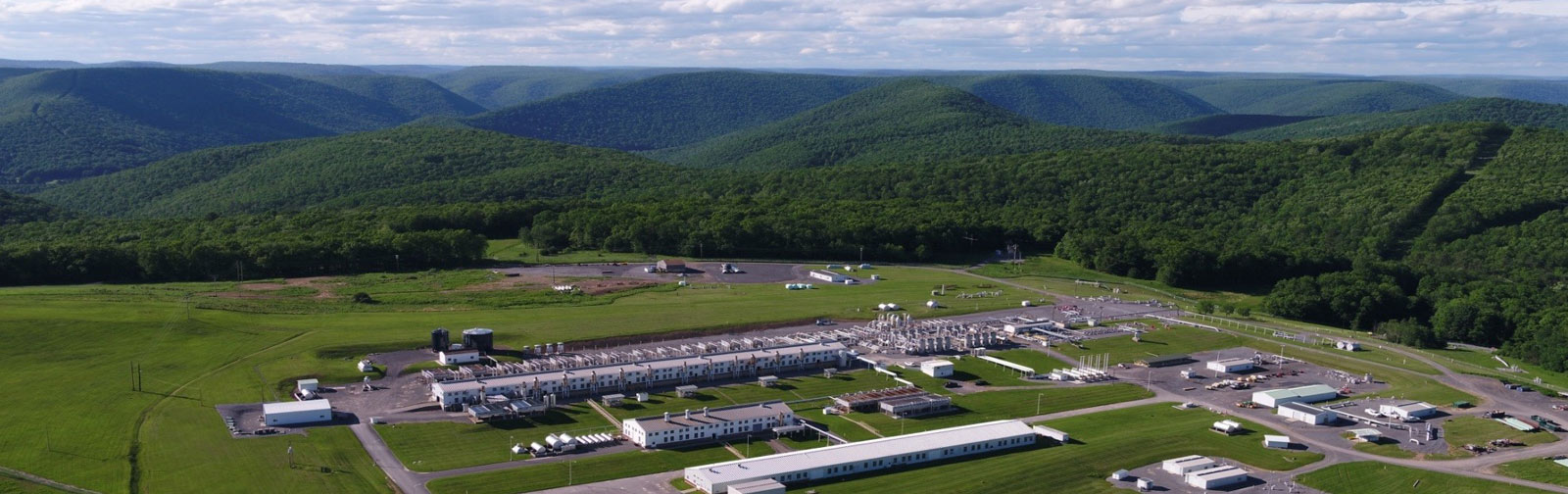
The Project Stratum team has been working in the region for many years with EGTS. Formerly Dominion Energy Transmission, Inc., the team has built and currently operates natural gas transmission and storage facilities in Virginia and Pennsylvania. We have employees based in both states who are active in their communities and who can understand and address issues, concerns and expectations for the Project.
Throughout the construction of the Project, we will continue to provide updated information on our progress. If you have any questions or feedback, we’d love to hear from you. Review options for connecting with us here.



 In-Progress